July 11, 2026
From cherry to green gold: how specialty coffee is processed
Every cup begins as a fruit. Between the red cherry and the bean that reaches a roaster lie weeks of decisions — and each one either protects quality or loses it.
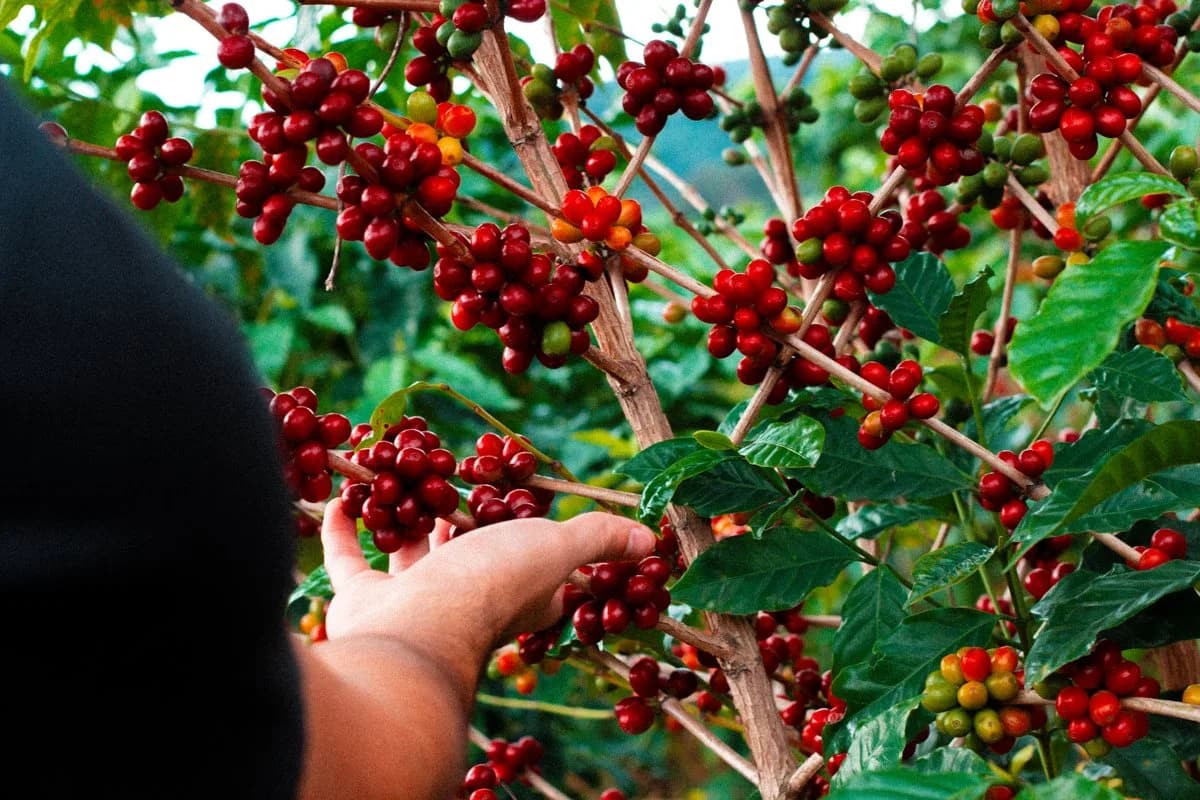
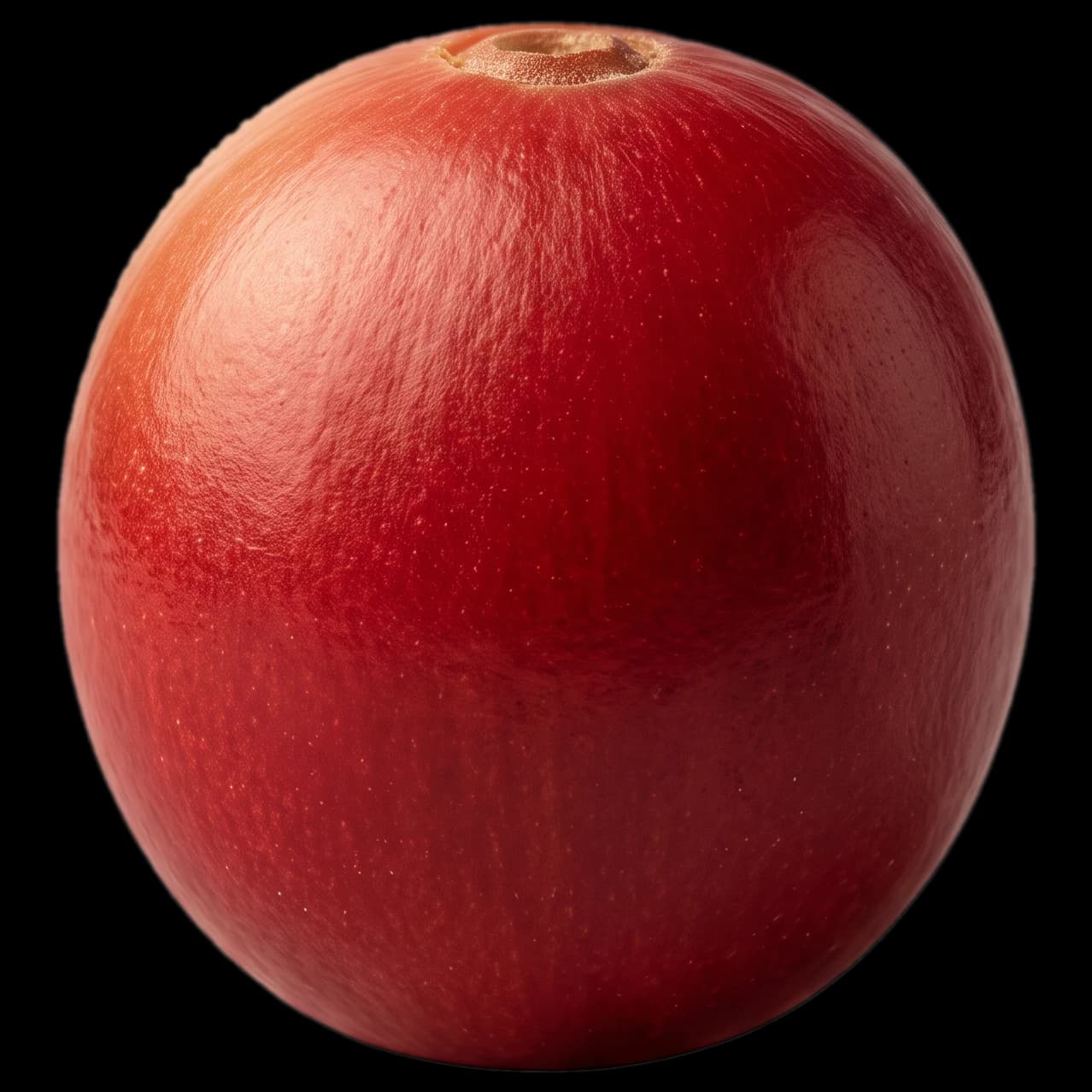
Cherry. It starts with the picking: harvested by hand, only cherries at their exact point of ripeness. An underripe or overripe cherry that enters the process is a defect no later stage can fix.
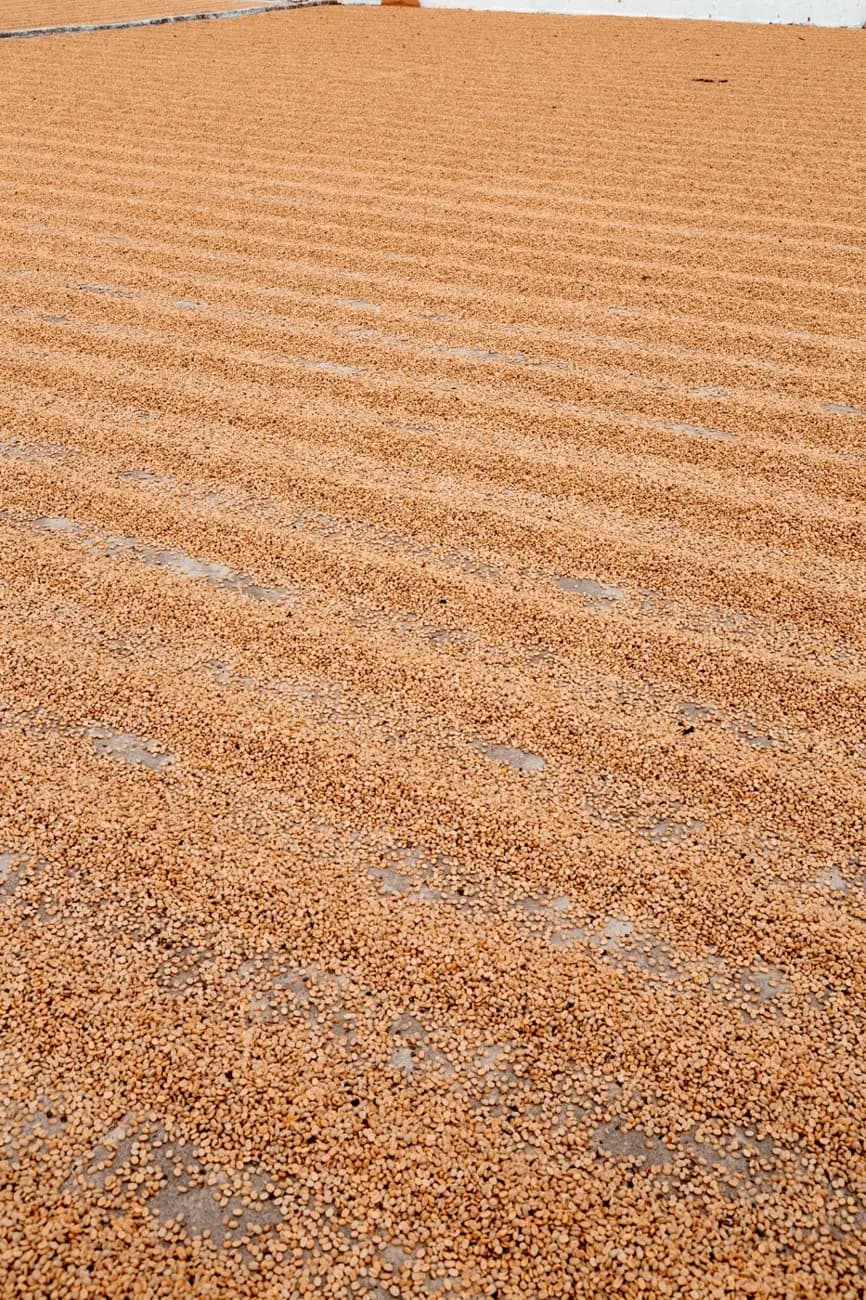
Parchment. In the wet mill the cherry is pulped and the bean stays protected inside its parchment husk. On our farm this stage runs on recycled water: the mountain gives us the water, and our job is to give it back. Washed is our home process; we also produce naturals and honeys on request.
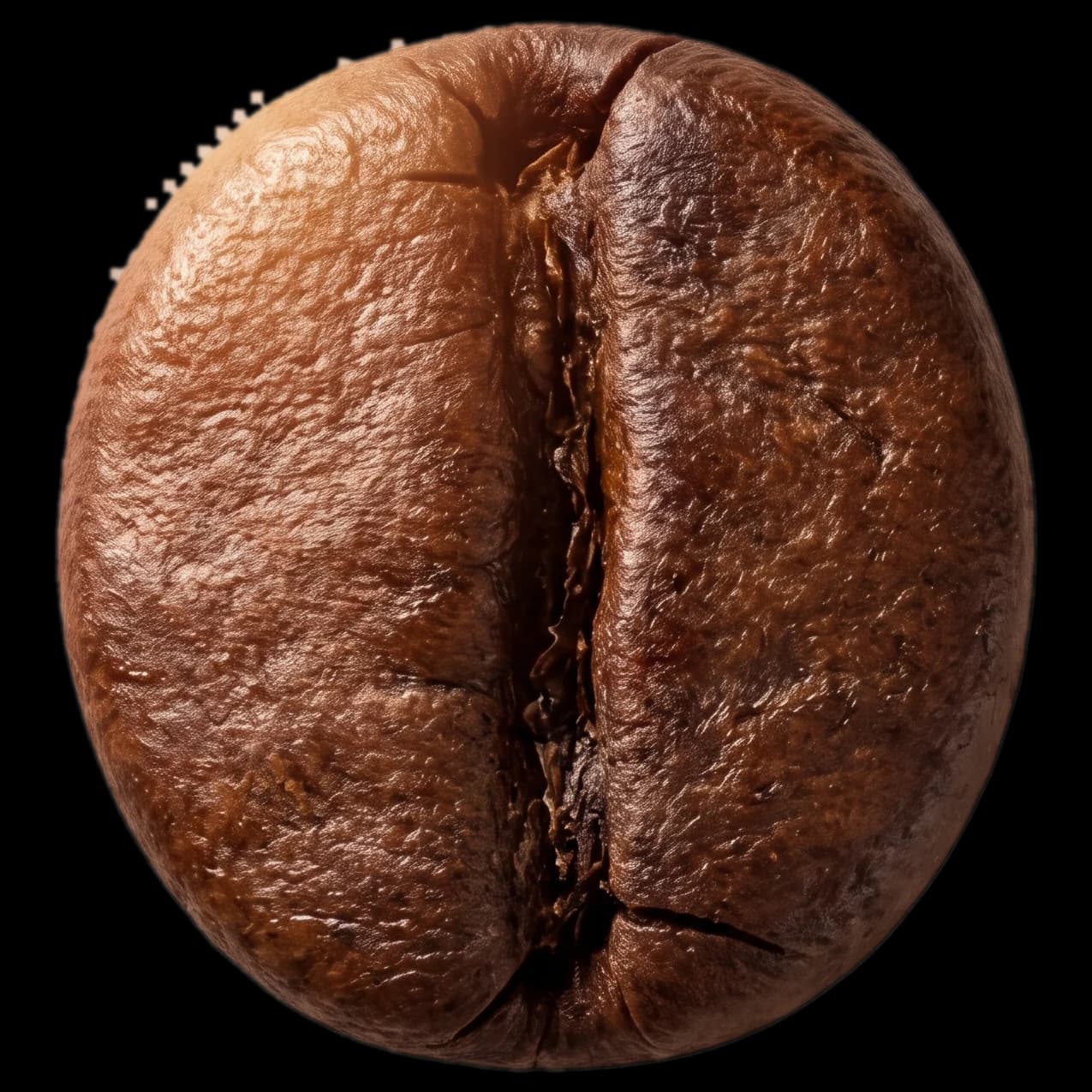
Green gold. After sun-drying comes the dry mill: the parchment is removed and the green coffee — café oro — appears. Here it is sorted bean by bean, machine and human eye together, removing everything imperfect. It is the least romantic stage and the most honest one: green coffee allows no shortcuts.
And for the curious: experimentals. Anaerobic fermentation, carbonic maceration — processes we run on request for roasters chasing profiles off the map. The structure of a classic washed, or the controlled risk of an experimental: that is a conversation we enjoy having with every buyer.
Roasting is another chapter (one we tell at the farm). But if one thing is worth remembering, it is this: quality is never added at any stage — you can only protect what the mountain already put there.