July 11, 2026
Water that returns: practical sustainability on a coffee farm

On a coffee farm, sustainability is not a seal on the label — it is a list of concrete decisions. These are some of ours.
Water is recycled. Traditional wet milling consumes water with every pulping. At Chalabal Estrella the process runs on recycling systems that cut consumption, protecting the same springs we drink from.
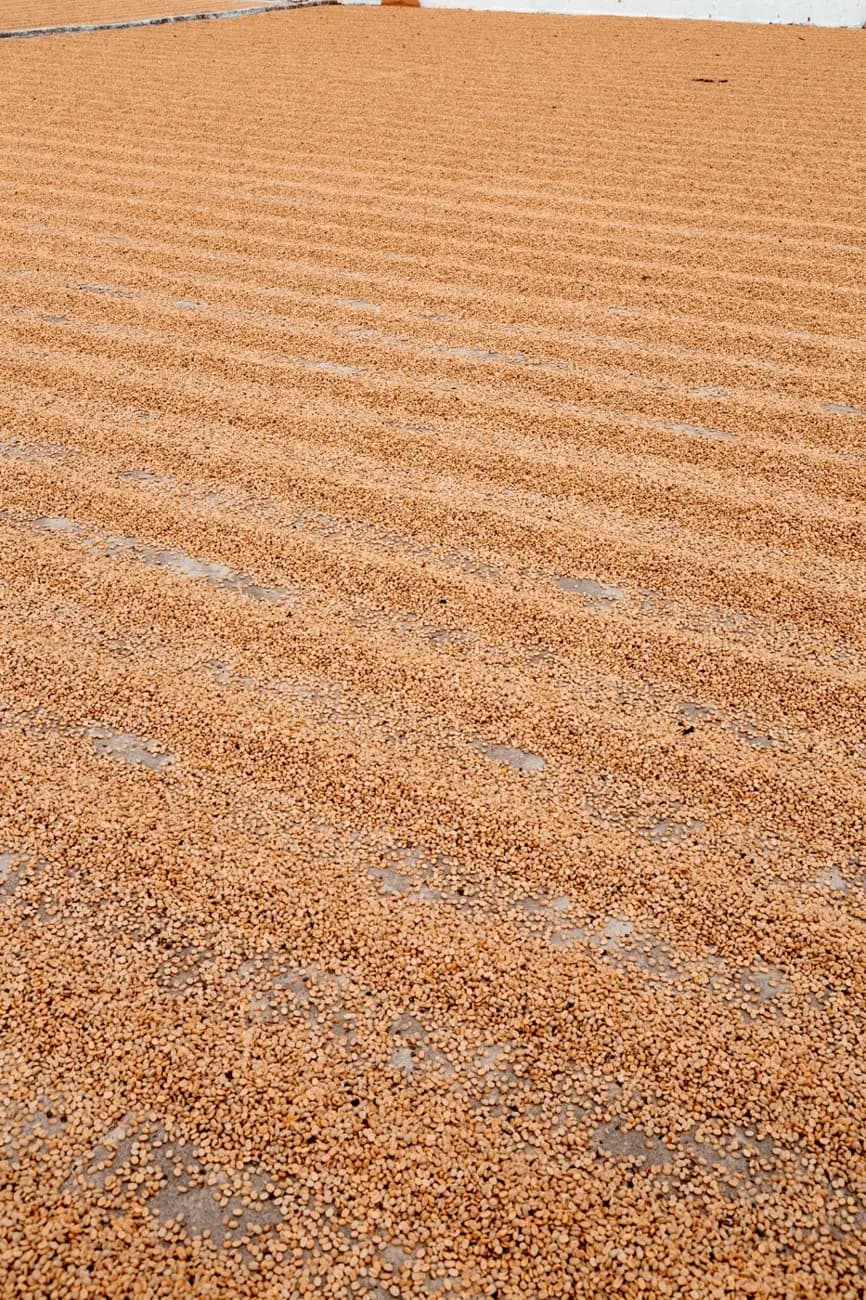
Water is shared. Two natural springs are born on the farm. Through piping installed from the farm, they now supply two neighboring communities: around 200 families with running water. The mountain gives coffee — but first it gives water, and that reaches people before anything else.
The coffee plants are renewed. An aging coffee field produces less and demands more. That is why my father drove a plant-renewal program that keeps the farm productive without expanding it: better results from the same land.
People first. Farm workers have housing, drinking water, electricity, internet, and activities for their families. We do not tell this as a bonus: a farm is, before anything else, the people who work it.
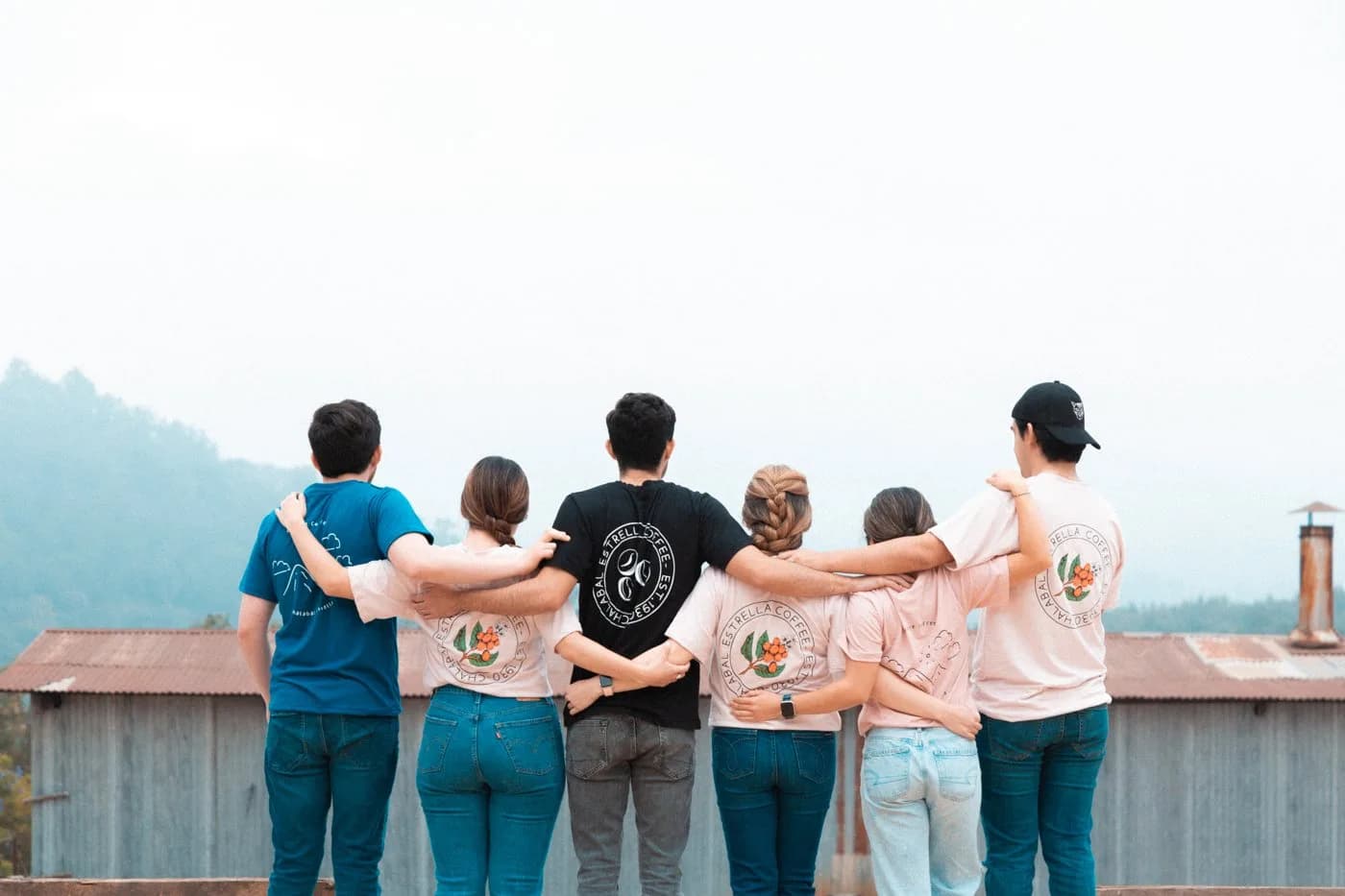
None of this makes the coffee taste better on its own. But all of it makes it possible for this coffee to still exist here — same water, same land, same people — a generation from now. And that, in the end, is the only long-term project we know.